The Motor City
Detroit, founded in 1701 by French explorer Antoine de la Mothe Cadillac, began as a fur trading post on the Detroit River. Its strategic location made it a key military and trading center during the 18th and 19th centuries. In the early 1900s, Detroit transformed into the heart of the American automotive industry, earning the nickname “Motor City.” Pioneers like Henry Ford revolutionized manufacturing with the assembly line, attracting thousands of workers and fueling rapid population growth. The city became a symbol of industrial power and innovation but faced economic and social challenges after the decline of auto manufacturing in the late 20th century. Racial tensions, suburbanization, and job loss led to population decline and urban decay. In recent decades, however, Detroit has experienced a cultural and economic revival, driven by new businesses, artists, and community initiatives, reclaiming its identity as a resilient and creative city.
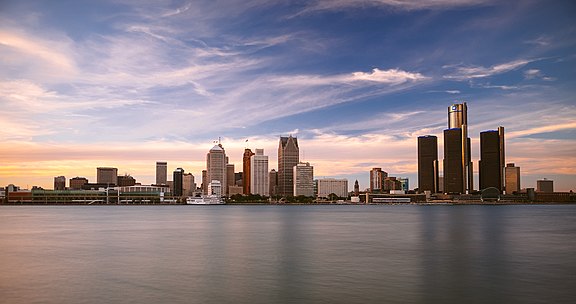
Detroit’s culture is a dynamic blend of creativity, resilience, and diversity, shaped by its rich history and hardworking spirit. Known as the birthplace of Motown, the city has had a profound influence on American music, producing legends like Stevie Wonder, Aretha Franklin, and The Supremes. Its artistic energy extends beyond music to a thriving arts scene, with institutions like the Detroit Institute of Arts and grassroots murals that celebrate community pride. Detroit’s deep automotive roots have also fostered a strong sense of innovation and craftsmanship. The city’s multicultural heritage—rooted in African American, Polish, Arab, and other immigrant communities—flavors its cuisine, festivals, and neighborhoods. Sports are a unifying force, with passionate fans supporting teams like the Lions, Tigers, Red Wings, and Pistons. Despite economic struggles, Detroit’s people embody creativity, grit, and optimism, continually redefining what it means to be “Detroit strong.” This site will cover just a few vital elements of the culture of Detroit.